The Benefits of Prenatal Yoga
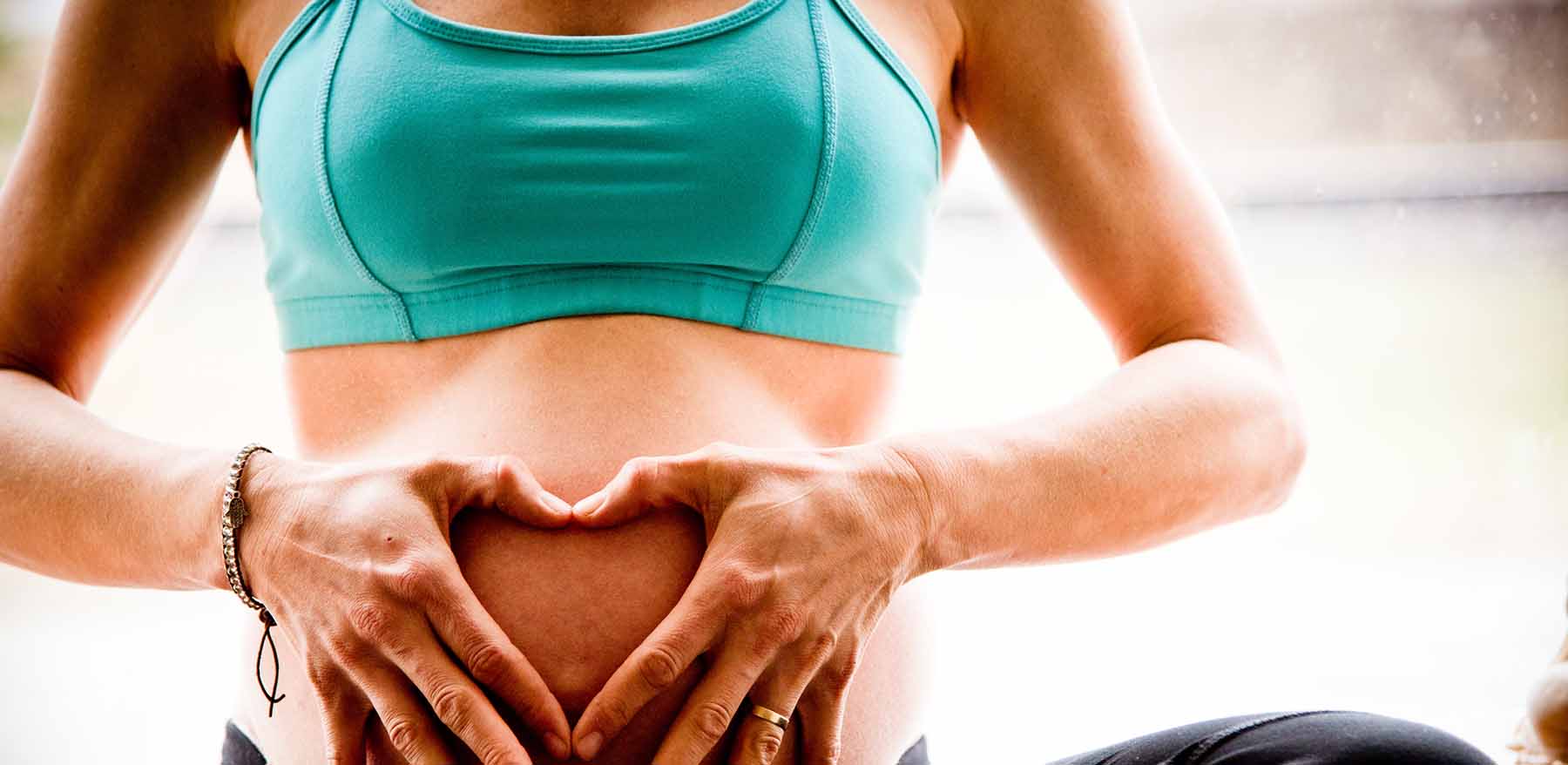
Prenatal Yoga 101
When I became pregnant with my son, I couldn't wait to try prenatal yoga. My pregnancy had been a long time coming, and for years, while struggling with infertility, I'd imagined myself in yoga class with other mamas-to-be, stretched out over a bolster, a hand placed gently on my growing belly. I finally walked into my first prenatal class when I was 12 weeks pregnant, elated but also tired, nauseated, and headachy. Little did I realize that the skills I'd learn there would not only ease the discomforts of pregnancy, but they'd also prepare me for the birth of my son.
Beyond my image of a yoga studio filled with pregnant women, I expected prenatal yoga to be similar to a gentle or restorative class. Prenatal yoga isn't simply gentle yoga but rather a practice—at times an active, energetic one—uniquely designed for pregnancy, says Britt Fohrman, a prenatal yoga teacher and doula (trained labor assistant) in the San Francisco Bay Area. Restorative poses are an important part of prenatal practice, but most classes include a range of poses that are specifically tailored to pregnant bodies. Classes are often physically challenging and also emotionally supportive.
Having a community and using tools like meditation, visualization, and breathwork help you cope with the myriad physical and emotional changes that pregnancy can bring. And all of the work you do on the mat—building endurance, learning to relax through intense sensations, and coping effectively with stress—serves as powerful preparation for giving birth, too. Many prenatal classes begin with a brief check-in where students have the opportunity to share experiences and challenges from the previous week. From there, classes might move into a centering and breathing exercise, a restorative or body-softening pose, and then through a series of active standing and squatting asanas before ending with restoratives and a period of deep relaxation with props.
Learning to Breathe
The foundation beneath all of the poses in a prenatal class is the breath. Prenatal yoga, says Fohrman, gives you "the opportunity to feel your body and your breath. And your breath is your greatest ally while giving birth." A deep but gentle belly breath that's more a rhythmic pulsation than a strong or hard engaging of the abdominals encourages softness and suppleness during class and throughout pregnancy. Austin asks her students to visualize oxygen and energy flowing to the baby as they inhale and to imagine softening the muscles around the pelvic floor as they exhale. Working with the breath this way quells stress hormones and stimulates relaxation.
Breath is fundamental to a prenatal practice, and so is asana. Standing poses practiced with supportive props can help strengthen the legs, ease backaches, build stamina, and instill a sense of confidence for birth and beyond. Prasarita Padottanasana (Wide-Legged Standing Forward Bend) with support under the head can soften and release the muscles around the pelvic floor with the intention of making space for the baby to come through. "In prenatal yoga," says Austin, "we practice postures specially designed to create suppleness in a woman's body so she can open when the time comes to birth her baby."
Restorative poses such as Side-Lying Savasana (Corpse Pose) and Supta Baddha Konasana (Reclining Bound Angle Pose) over bolsters are particularly helpful. These poses are generously propped to give you the chance to get truly comfortable.
Judith Hanson Lasater, yoga teacher, physical therapist, and author of Yoga for Pregnancy and the classic restorative manual Relax and Renew, calls Side-Lying Savasana "the magic elixir" for alleviating the general fatigue that comes along with pregnancy. Lasater suggests pregnant women practice this variation of Savasana every day. She also recommends Cat-Cow stretch for reducing lower back pain. Shoulder openers like Garudasana (Eagle Pose) and arm strengtheners like Goddess Pose arms can help prepare mothers for carrying and nursing their child. Bobby Clennell, a senior teacher at the Iyengar Yoga Institute of New York and author of The Woman's Yoga Book, adds that practicing Supta Virasana (Reclining Hero Pose) with bolster support can help relieve constipation, assist digestion, and reduce morning sickness.
Safety First
In prenatal yoga classes, you shouldn't encounter poses that are potentially dangerous during pregnancy, such as twists, deep forward or backbends, and poses done on the belly (think Salabhasana or Dhanurasana). There is some disagreement in the yoga community about inversions. Lasater says that we don't know enough about the effects of going upside down during pregnancy to recommend it. Other teachers, including Clennell and Austin, believe that an experienced yoga student with a longstanding Sirsasana (Headstand) or Sarvangasana (Shoulderstand) practice may safely continue inversions, with proper guidance, during pregnancy. If you're an experienced student with a longtime inversion practice, the aforementioned poses are thought to help keep your endocrine system running well and may simply feel right for you. The most comfortable and symptom-relieving pose for me midway through pregnancy was a 10-minute variation of Shoulderstand with a chair. (Because your body changes drastically during pregnancy, it's best to practice these poses at a wall or with props, and to ask your teacher for help the first few times. And be sure to talk to your doctor or midwife before deciding to practice inversions during pregnancy.)
Relax, Release, Accept
According to Lasater, the biggest benefit of prenatal yoga is learning to relax. Going through pregnancy and its myriad physical and hormonal changes can be exhausting. Natural worries may emerge about your baby's health, and the imminent transition to parenting can be stressful. A great prenatal yoga class will help you find complete comfort and release, which encourages what's known as the relaxation response. This healing state creates physiological changes: Your heart rate slows, your blood pressure drops, your breathing becomes deep and rhythmic, and stress hormones such as adrenaline and cortisol dissipate. Once you experience it, you can use yoga techniques to encourage the relaxation response anytime. "Learning to relax deeply is a life skill that could not be more important for a pregnant woman," says Lasater.
When you're relaxed, you not only feel less stress but you're also able to more easily cope with stressors that do arise. This is key during both pregnancy and labor. When you're faced with the flood of stress hormones that labor generates, the ability to stay calm and relaxed can help you contend with the intensity of the sensations and the decisions that may crop up from moment to moment. Rachel Yellin, a prenatal yoga teacher and childbirth educator, told me that studying prenatal yoga can guide a woman to "recognize when and where she is tense and then consciously let that tension go." By training your awareness to consciously release tension in class, you can do the same during labor and birth.
Pregnant Pause
Take some time to connect with both your hopes and your fears. Sit in a comfortable position on the floor or in a chair. Breathe deeply for a few minutes, sending your breath to the baby that's growing inside you. Take a few minutes to think about your hopes and dreams about birth—and about your subsequent journey together as mother and child. Imagine yourself feeling empowered, loved, safe, and being an active participant in your birth. See yourself as a loving parent who knows how to care for your precious child. Notice any positive sensations that arise, and sit with them for a few moments.